
BOOKS


F. Dreser
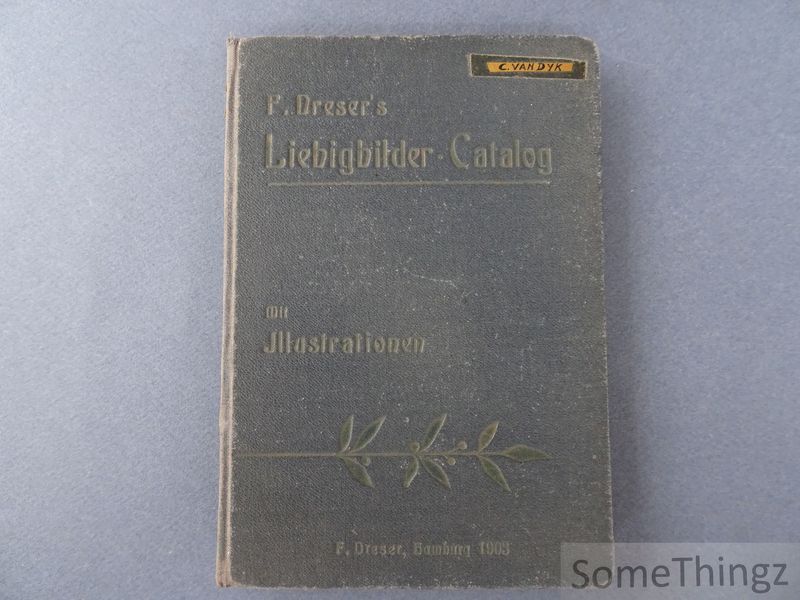
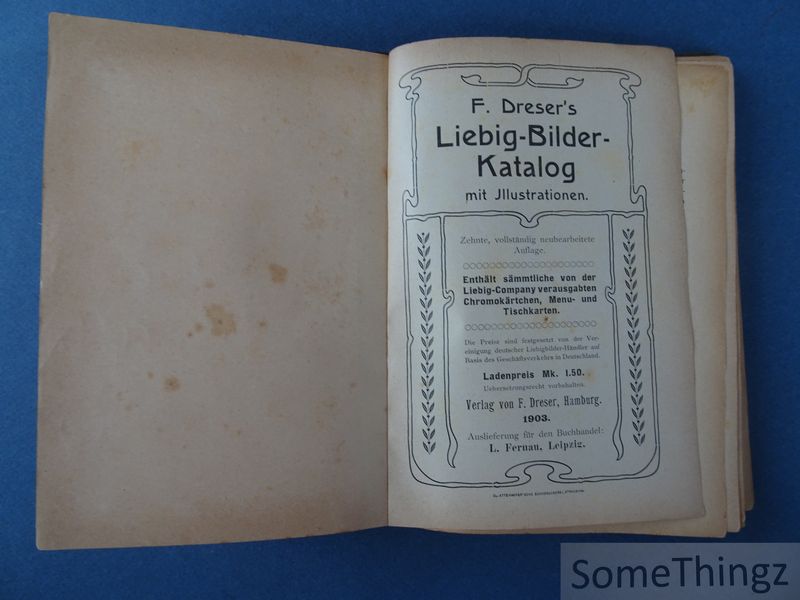
F. Dreser's Liebig-Bilder-katalog mit Illustrationen. [Liebigbilder-Catalog]
Leipzig, Verlag von F Dreser, 1903. X Auflage.
Sold
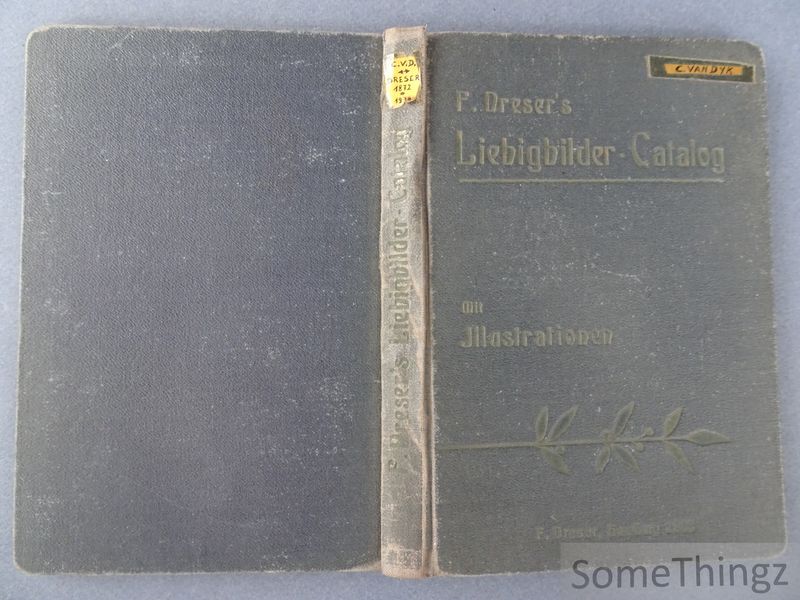
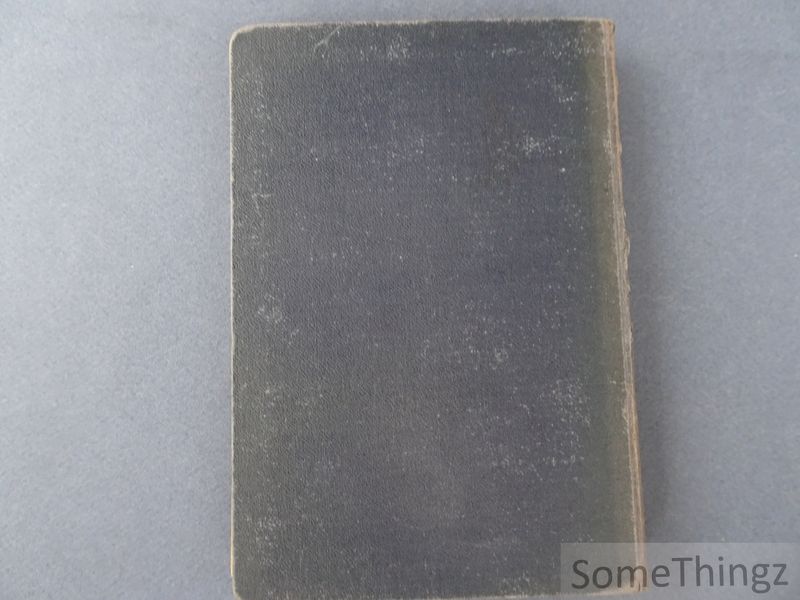
Bound, cloth, 267+[3]+22+[5]pp., 12x17.5cm., ills. in b/w., in good condition (name label on frontcover and spine, interior fine). Rare.
Itemnummer 19256 
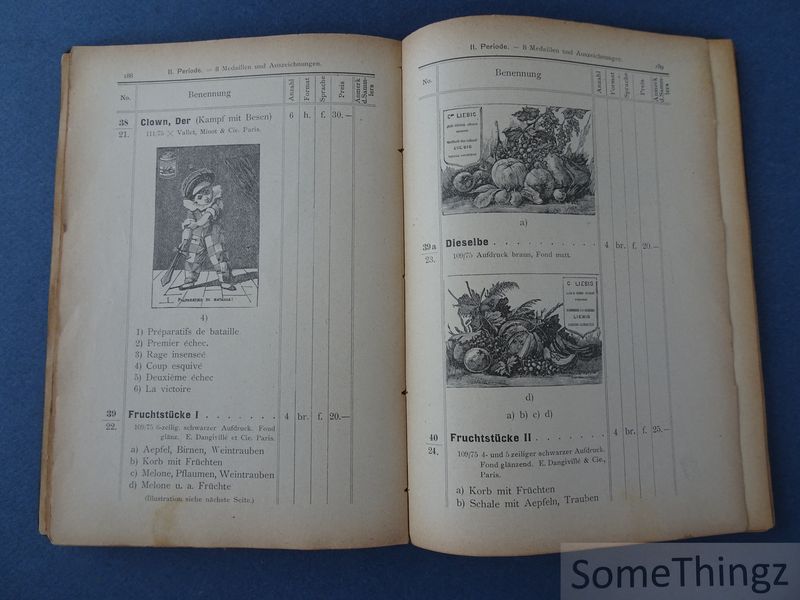
This 1903 catalogue presents a systematically structured and chronology-driven inventory of the Liebig picture card series, organised into two principal sections that emphasise the temporal development of the material. The first part records the series issued within Germany, arranging them year by year or by distinct production periods in order to trace shifts in subject matter, printing style, and chromolithographic technique. By adopting a temporal framework, this section highlights how the German editions evolved from early, predominantly didactic themes toward increasingly elaborate visual programmes that reflected technological change, scientific discovery, and broader cultural interests. The chronological ordering thus allows the catalogue to function not only as an index of themes but also as a documentary account of production cycles and artistic tendencies within the German printing centres that shaped the core of the Liebig corpus. The second part extends this period-based method to the series produced outside Germany, presenting them in a strictly periodic arrangement that reveals regional reinterpretations and temporal divergences across international markets. This organisation makes it possible to compare the sequence and timing of foreign issues with their German counterparts, showing how particular motifs, narrative structures, and stylistic conventions were adapted, delayed, or transformed in different cultural contexts. Within this section, the inclusion of table cards and menu cards further illustrates the chronological spread of ancillary Liebig ephemera, situating these items within the same temporal continuum as the main series and demonstrating how such materials accompanied or paralleled key phases in the broader production history. Taken together, the two parts of the catalogue provide a coherent and meticulously ordered account of the appearance of Liebig series over time, revealing the historical rhythm, geographical diffusion, and visual evolution of one of the most influential chromolithographic publishing projects of its era. Through its focus on annual or period-specific segmentation, the catalogue serves as an indispensable reference for reconstructing the temporal structure of the Liebig editions and their dissemination across national and international spheres.