BOOKS
Jenny Balfour-Paul
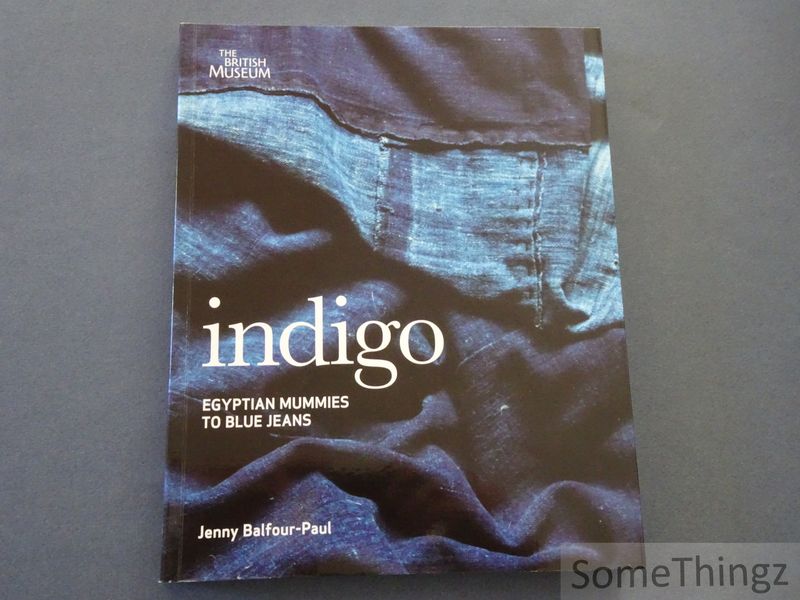
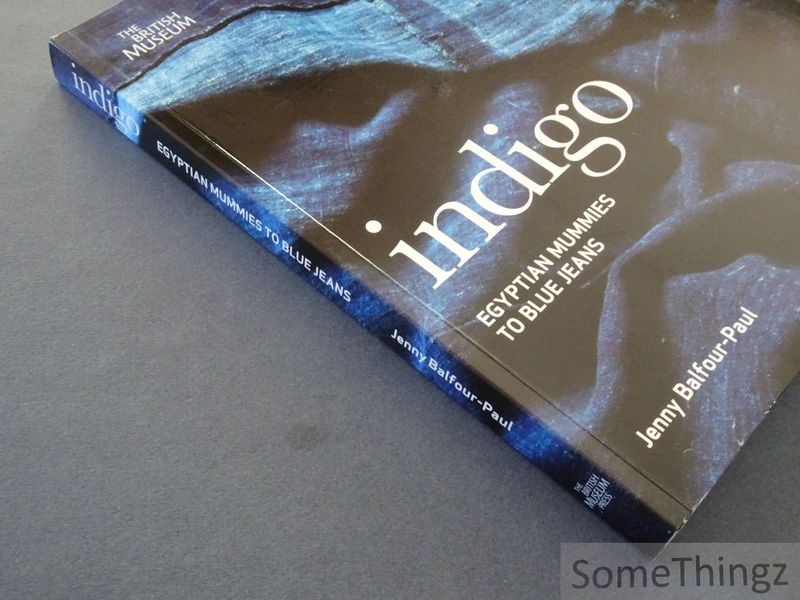
Indigo: Egyptian Mummies to Blue Jeans.
Londen, British Museum Press, 2011.

€ 125.00
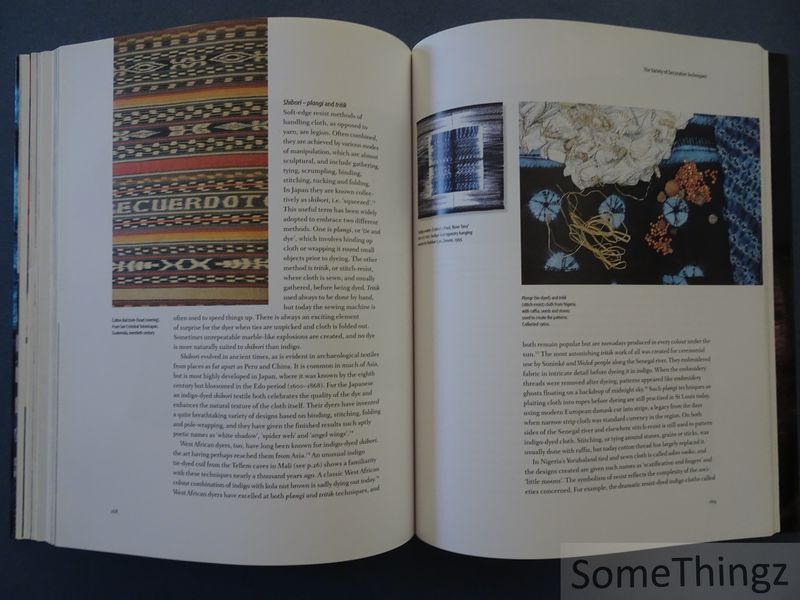
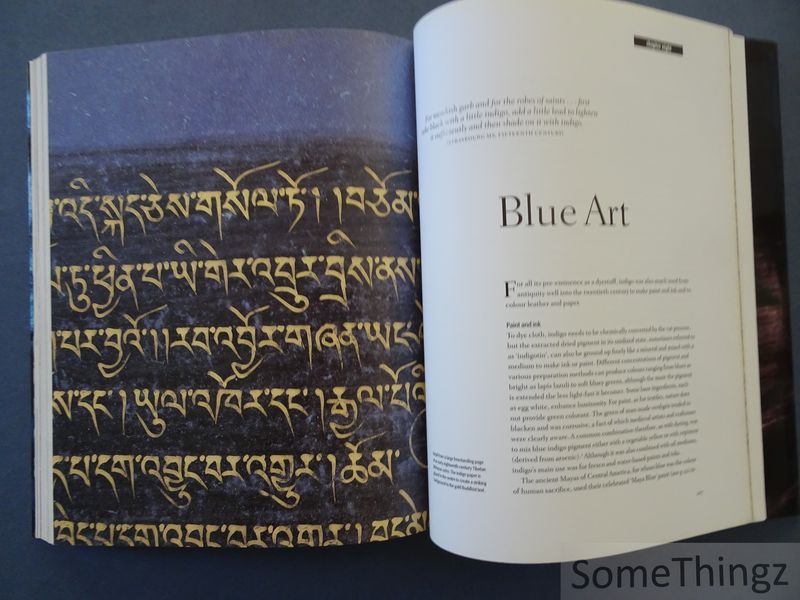
Softcover, 264pp., 22.5x28cm., richly illustr. in col., in good condition (a library stamp on first and last page, 1 small sticker on first page and a written location code on the title page, else fine). Rare. ISBN: 9780714150963.
Itemnummer 20536 
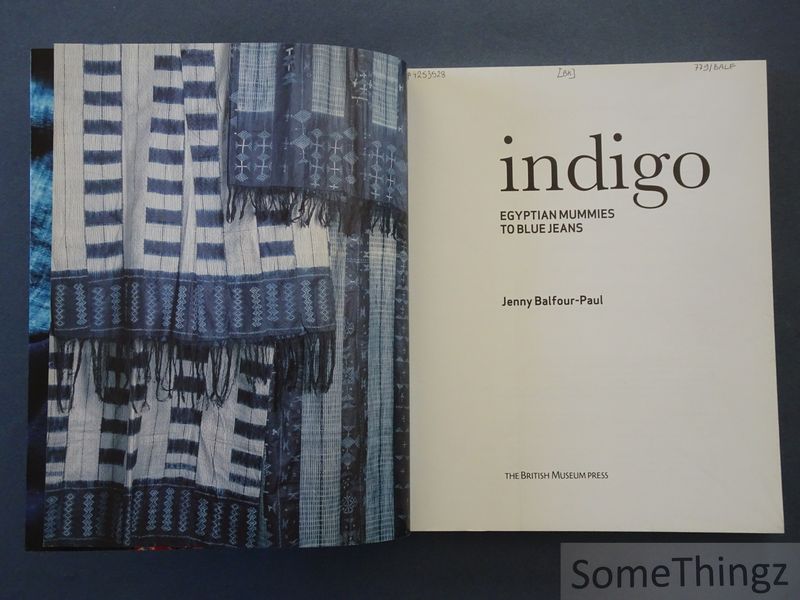
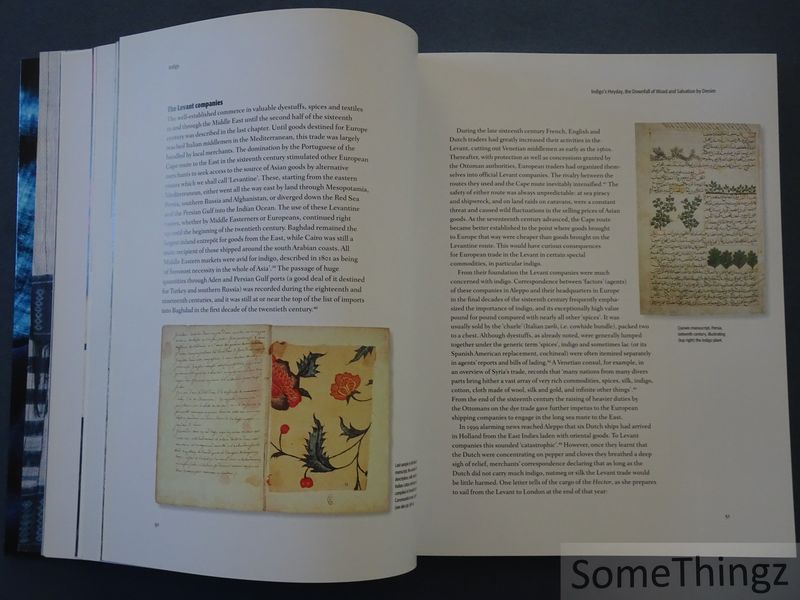
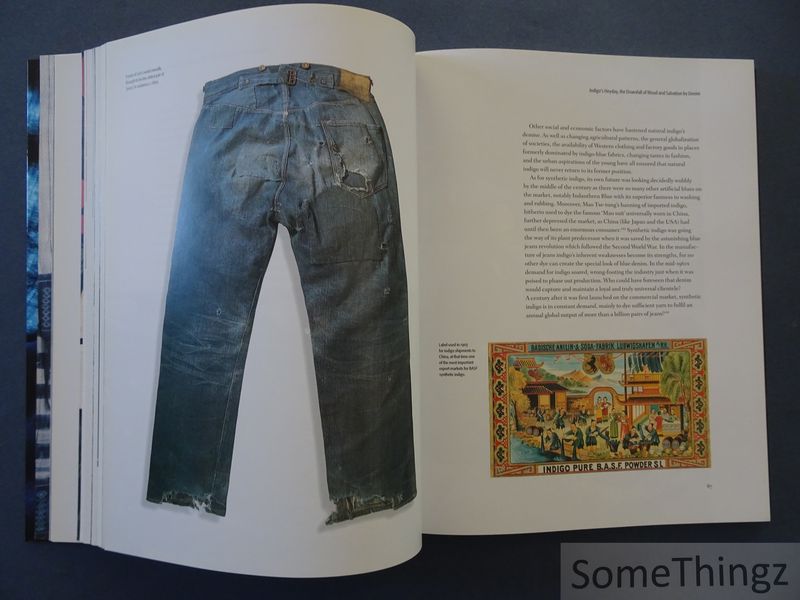
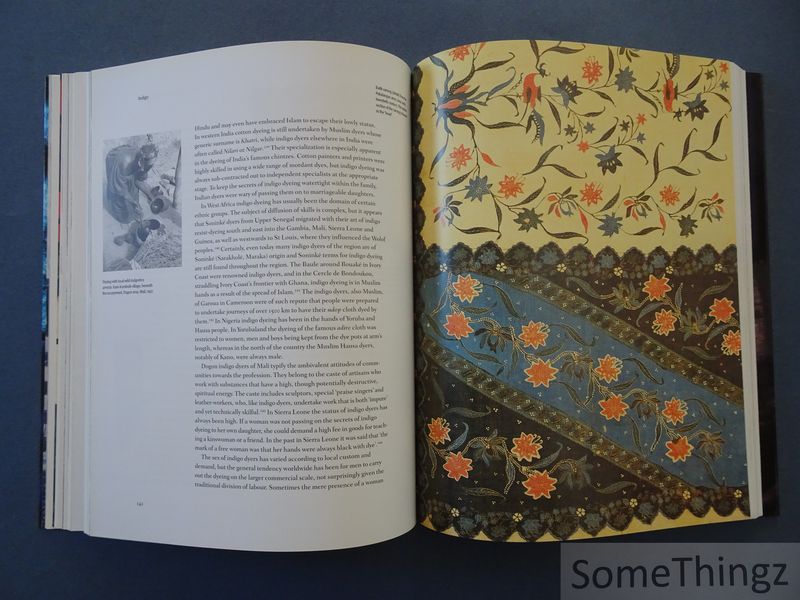
Produced from plants by a process akin to alchemy, indigo has a unique chemistry that renders it compatible with every type of natural fibre. In the past it was combined with other natural dyes to create a range of colours that are impossible to reproduce without synthetic substitutes (a recent phenomenon). In todays multi-coloured world, it is hard to imagine the incredible impact indigo must have had on the many civilizations that chanced upon it. The accumulation of more than 15 years research, this is the first book to cover in detail all aspects of this subject: historical, agricultural, and botanical chemical and technological; commercial and economic; and, indigos various uses in textiles and its many sociological, medicinal, folkloric and other connotations. This book traces the extraordinary history of indigo, one of the world?s oldest and most influential dyes, from its use in ancient Egypt and traditional textile cultures to its industrial production in modern denim. This publication by Jenny Balfour-Paul presents a comprehensive cultural, historical and technological study of indigo dye. The book follows indigo?s trajectory across civilizations, beginning with its use in ancient Egyptian burial textiles and continuing through its role in African, Asian and Middle Eastern textile traditions.A significant part of the study focuses on traditional indigo production techniques, including plant cultivation, fermentation processes and dyeing methods. The author also examines the symbolic and economic importance of indigo in different societies, where it functioned not only as a colourant but also as a cultural marker and trade commodity. The final sections of the book explore the industrialisation of indigo and its transformation into a global product, culminating in its central role in the production of blue jeans. This transition illustrates the shift from artisanal craft to mass industrial manufacturing and global fashion culture.