
BOOKS
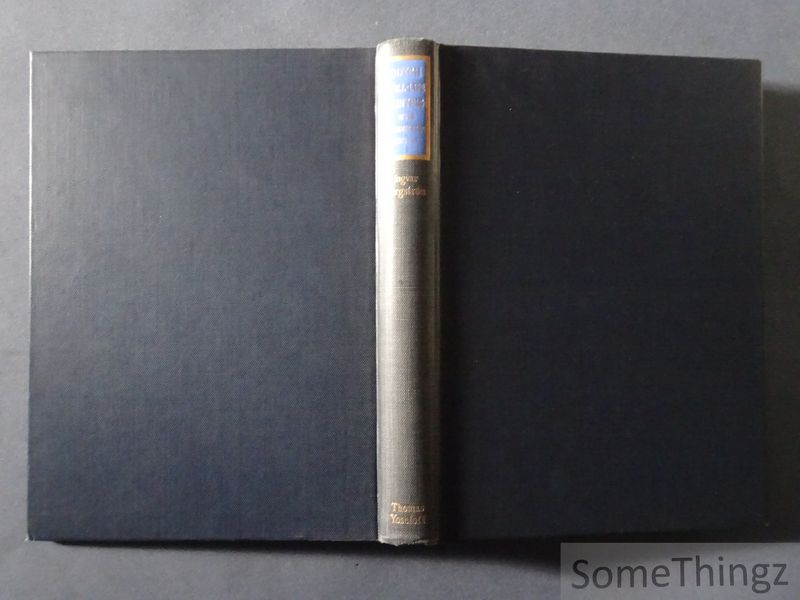
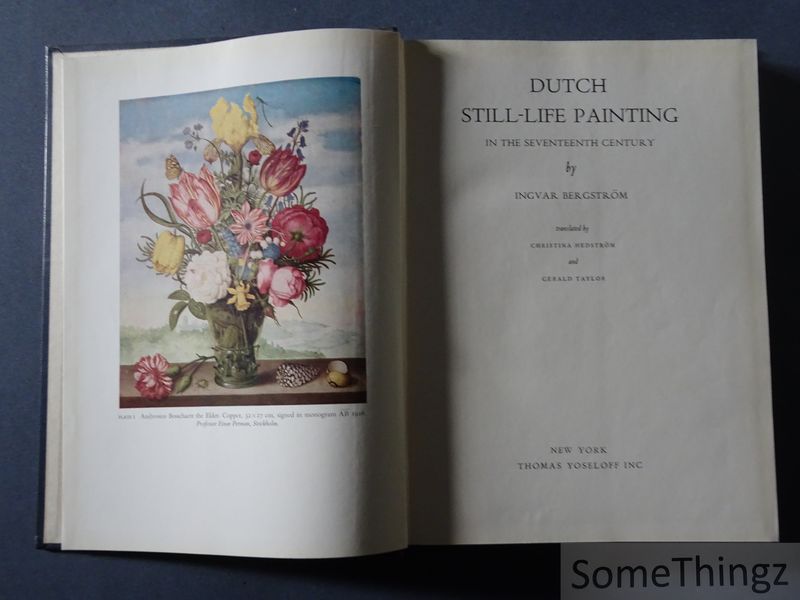
Ingvar Bergström.
Dutch Still-Life Painting in the Seventeenth Century.
New York, Thomas Yoseloff, 1956.

€ 22.50
Bound, cloth, xix+330pp., 21.5x28cm., ills. in b/w., in godd condition (no dustjacket).
Itemnummer 22382 
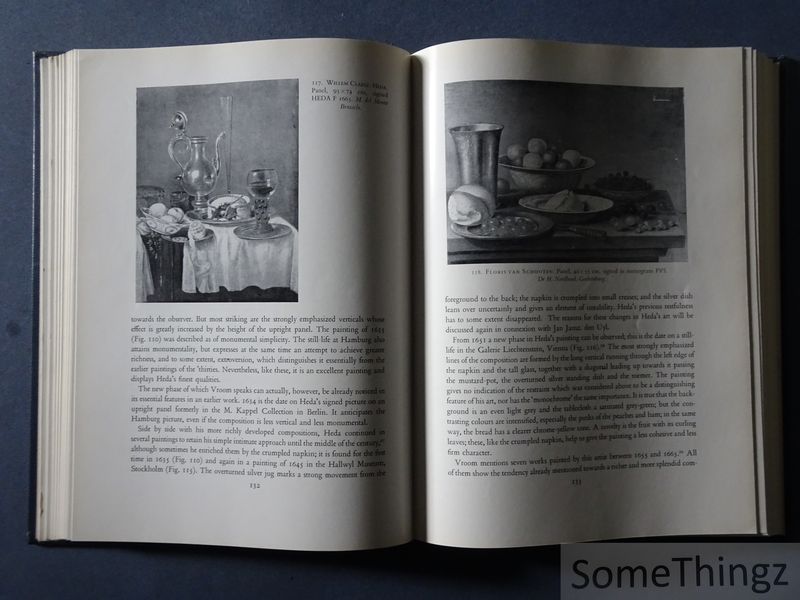
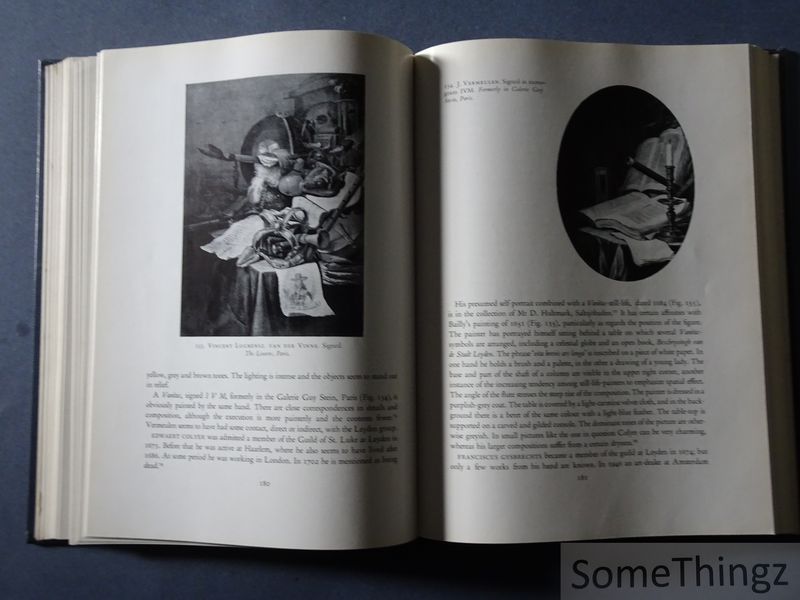
This comprehensive study examines the development of Dutch still-life painting during the seventeenth century, when the genre achieved an extraordinary range and sophistication. Ingvar Bergström traces its historical origins and the emergence of specialised painters, exploring flower pieces, fruit and breakfast pieces, banquet still lifes, fish and game paintings, and vanitas compositions. Through detailed discussions of individual artists, including Jan Davidsz. de Heem, Willem Kalf, Abraham van Beyeren and Pieter Claesz., the author analyses compositional structure, colour, lighting, brushwork and the representation of different materials. He also considers the symbolic meanings of objects, the relationship between visual illusion and reality, and the social and cultural circumstances that shaped the Dutch art market. The book combines close examination of paintings with a broader account of the genre's evolution, providing an important reference for understanding the artistic achievements and cultural significance of seventeenth-century Dutch still-life painting. Ingvar Bergström (1913-1996) was a Swedish art historian specialising in European painting, particularly Dutch and Flemish still-life painting. His scholarship on seventeenth-century still lifes became an important reference for the study of the genre.